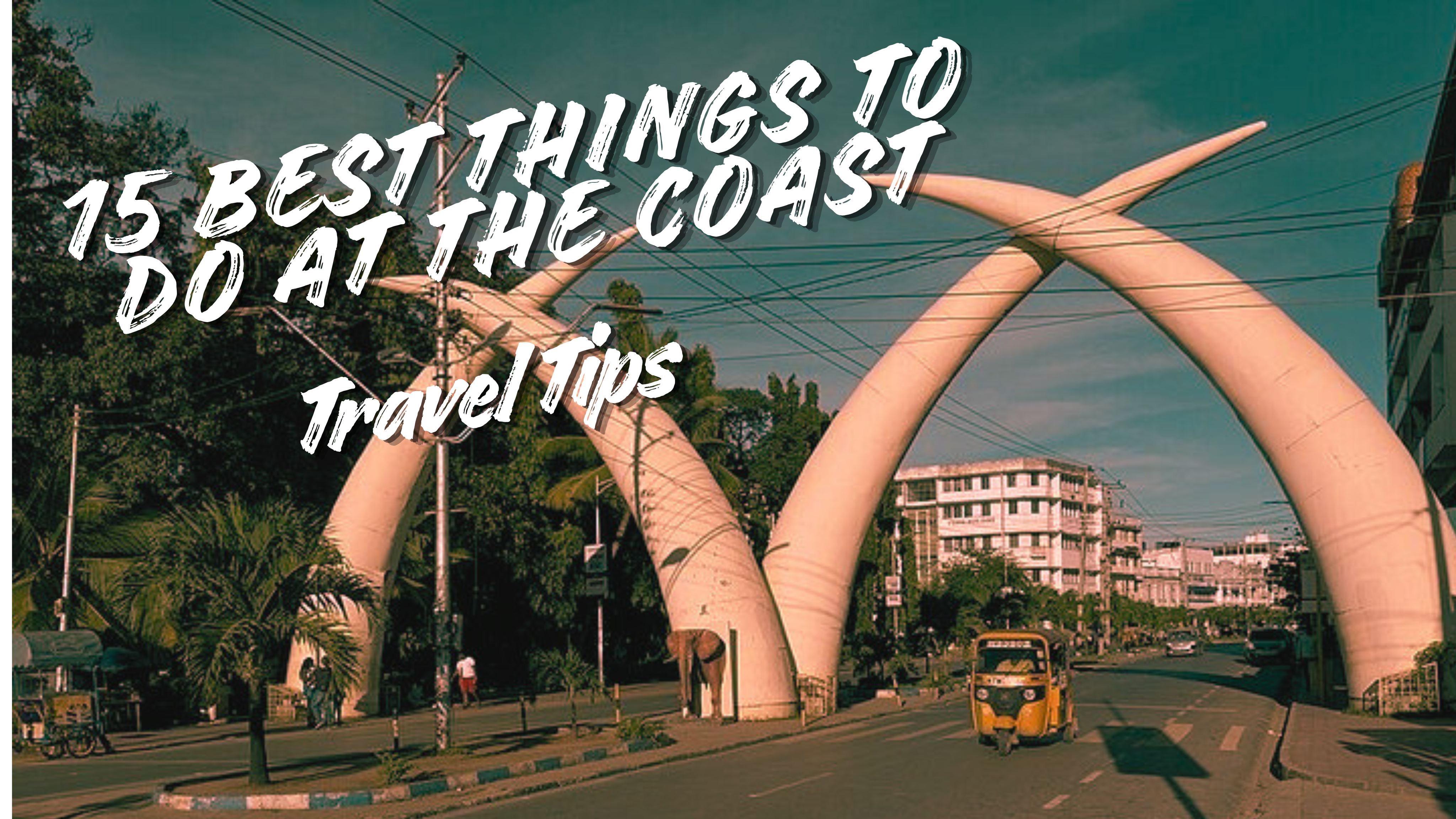
15 Best Things to Do on the Kenyan Coast (Beyond the Beach)
Yes, the beaches are amazing. But the Kenyan coast has so much more — from ancient ruins and marine parks to kite surfing, cave dining, and vibrant nightlife.
Everyone knows the Kenyan coast has incredible beaches. But if you spend your entire trip just lying on the sand, you're missing out on half the experience.
I've lived on and around this coastline for years, and the things that stick with me aren't the beach days — it's the snorkeling with sea turtles, the sunset dhow cruise, the night I stumbled into a live taarab performance in Old Town, and the time I got hopelessly lost in Lamu's alleys and ended up having the best meal of my life at a tiny family-run restaurant.
Here are 15 things you should actually do on the Kenyan coast, ranked by how much they'll make your trip memorable.
1. Snorkel at Watamu Marine National Park
This is the number one activity on the coast for a reason. The coral gardens here are some of the healthiest in East Africa, and you'll swim alongside parrotfish, angelfish, moray eels, and almost certainly a sea turtle or two.
The water is warm and clear — visibility can reach 30 meters on a good day. Most operators offer half-day trips for KES 2,000–4,000, which includes gear and boat transport.
Pro tip: Go early in the morning when the water is calmest and the fish are most active.
2. Explore Fort Jesus and Old Town, Mombasa
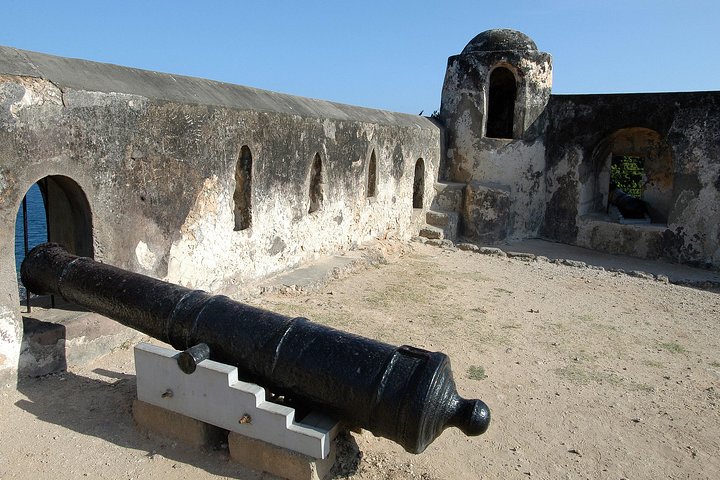
Fort Jesus
Fort Jesus is a 16th-century Portuguese fort and a UNESCO World Heritage Site. It's one of the best-preserved examples of Portuguese military architecture anywhere, and the views from the top over the old harbor are stunning.
But the real magic is Old Town itself. Wander the narrow alleys, look at the carved wooden doors (each one tells a story), grab a coffee at a rooftop cafe, and just get lost. You'll find small art galleries, spice shops, and restaurants that tourists never make it to.
Give yourself a full day for this. Start at Fort Jesus in the morning, explore Old Town until late afternoon, and end at the waterfront for sunset.
3. Go Kite Surfing in Diani
Diani is one of the best kite surfing spots in Africa. The conditions from January to March and July to September are world-class — consistent wind, flat water near the shore, and warm temperatures.
There are several schools offering lessons for beginners. A two-hour lesson costs around KES 5,000–7,000 and includes all equipment. Even if you've never tried it before, you'll be standing on the board within your first session.
4. Take a Sunset Dhow Cruise
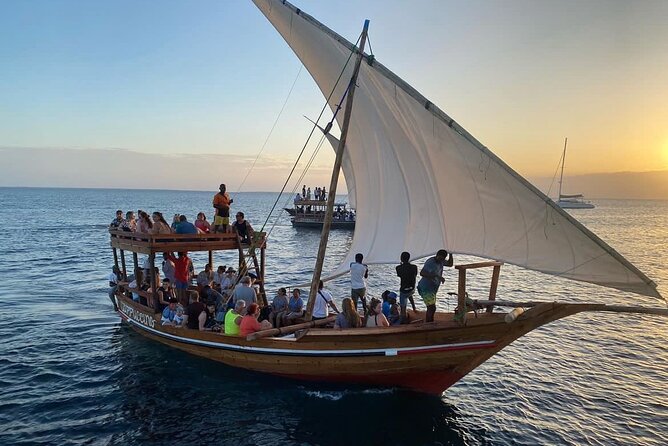
Sunset Dhow Cruise
There's something magical about sailing on a traditional wooden dhow as the sun drops into the Indian Ocean. These cruises usually depart from Mombasa harbor or Diani beach and last about two hours.
Most operators include drinks and sometimes snacks. [Book the sunset slot](https://coastbuzz.co.ke/experiences/dhow-sunset-cruise) — the golden hour light on the water is unbeatable.
5. Eat at Ali Barbour's Cave Restaurant, Diani
Yes, it's touristy. Yes, it's expensive. But dining inside a 180,000-year-old natural coral cave with the sky open above you is an experience you won't forget.
The food is genuinely good — fresh seafood, great cocktails, and attentive service. Make a reservation well in advance, especially during peak season. Expect to spend KES 8,000–15,000 per person.
6. Visit the Gede Ruins
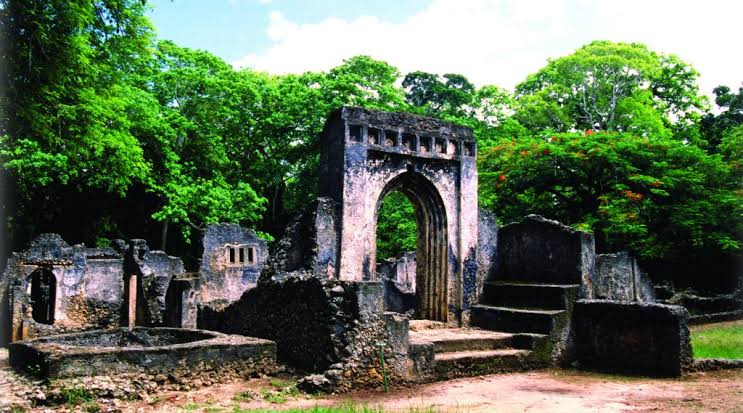
Gede Ruins
Near Watamu, the Gede Ruins are the remains of a medieval Swahili city that was abandoned in the 17th century. Walking through the ruins — the mosque, the palace, the houses — feels like stepping into another time.
The site is surrounded by forest, so you'll see monkeys, birds, and maybe even a bushbaby if you're lucky. Entry is around KES 700 for residents and KES 1,725 for international visitors.
7. Explore Lamu Old Town
Lamu is a car-free island where donkeys and dhows are the main transport. The Old Town is a UNESCO World Heritage Site and one of the oldest continuously inhabited Swahili settlements in East Africa.
Walk the narrow streets, visit the Lamu Museum, check out the Donkey Sanctuary, and watch craftsmen build traditional dhows using techniques that haven't changed in centuries. The food here is exceptional — Swahili biryani, coconut fish curry, and Lamu coffee spiced with cardamom.
Getting there requires a flight to Lamu Airport and a short boat ride, but it's worth the effort.
8. Go Deep-Sea Fishing
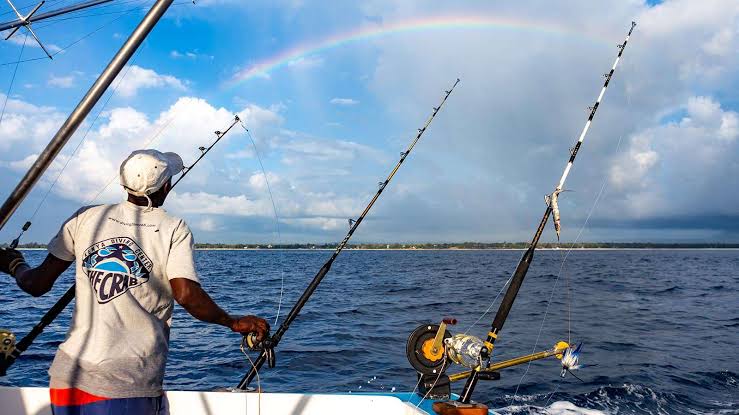
Deep Sea Fishing
The waters off the Kenyan coast are rich with marlin, sailfish, tuna, and kingfish. Several operators in Diani, Malindi, and Mombasa offer full-day deep-sea fishing trips.
A full-day charter costs KES 30,000–50,000 for the whole boat (up to 6 people), so split it with friends. Even if you don't catch anything, the experience of being out on the open ocean is incredible.
9. Take a Food Tour in Mombasa
Mombasa's street food scene is one of the best in Kenya. Follow the smoke around Fort Jesus for mishkaki (grilled meat skewers), bhajia (lentil fritters), and fresh sugar cane juice. The waterfront at Mama Ngina Drive has vendors serving pilau, biryani, and coconut-fried fish at unbeatable prices.
If you want a guided experience, there are organized food tours that take you to the best spots. Otherwise, just follow your nose and ask locals where they eat.
10. Visit the Colobus Conservation Center, Diani
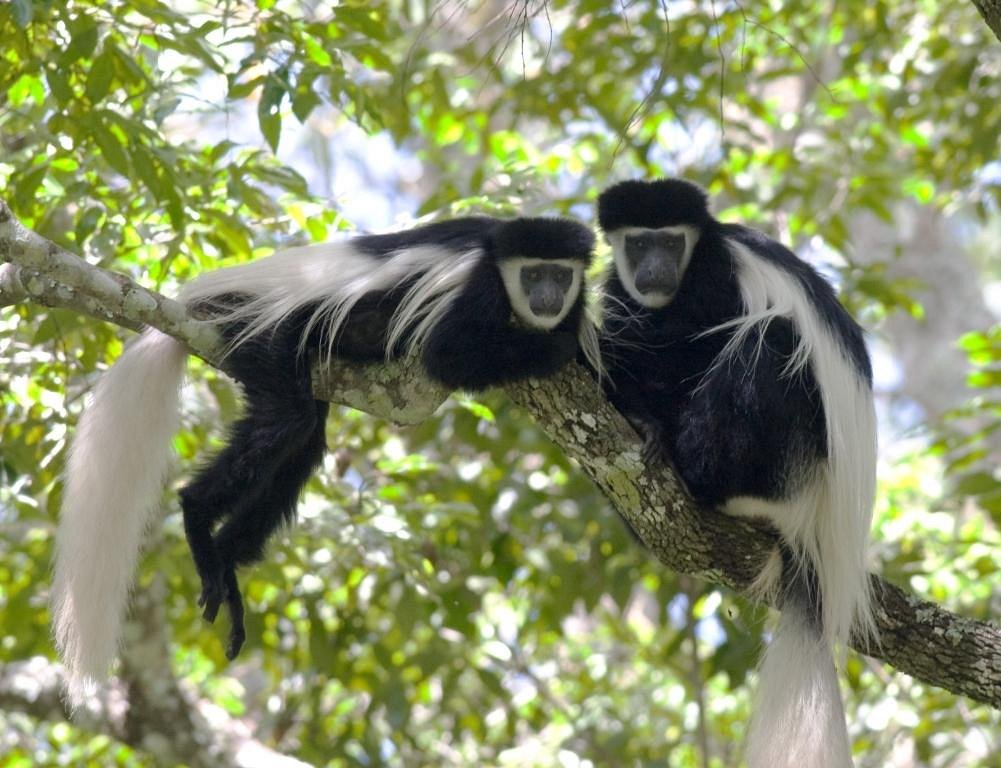
Colobus Conservation
The Angolan colobus monkey is endangered, and this center in Diani protects a population that lives in the coastal forest. Guided forest walks let you see these beautiful black-and-white monkeys in their natural habitat.
It's a great activity for families and anyone interested in wildlife conservation. Entry is around KES 1,000, and the walks last about an hour.
11. Experience Kilifi's Creek and Sundowner Scene
Kilifi Creek is one of the most beautiful spots on the coast. The water is calm, the mangroves are lush, and the sunsets are legendary. Kilifi Boatyard is the place to be — wood-fired pizza, cold drinks, and the best sundowner view on the coast.
The town itself has a creative, bohemian vibe. There are art galleries, music venues, and a community that's welcoming to visitors. If you're around for New Year's, the Kilifi New Year festival is legendary.
12. Go Scuba Diving
If snorkeling isn't enough, the coast has excellent scuba diving. Watamu is the main hub, with sites like The Canyon (a dramatic underwater cliff dropping to 25 meters) and Brain Coral Garden (massive coral formations over 200 years old).
A single dive costs KES 5,000–8,000. If you're not certified, most operators offer PADI courses for KES 35,000–50,000 over 3–4 days.
13. Visit the Haller Park, Bamburi
Haller Park is a reclaimed limestone quarry that's been transformed into a nature park. It's home to giraffes, hippos, crocodiles, and over 160 bird species. The transformation story — from barren quarry to thriving ecosystem — is inspiring.
It's a great half-day activity, especially if you're traveling with kids. Entry is around KES 1,000 for residents and KES 2,000 for international visitors.
14. Check Out the Local Events and Nightlife
The coast has a thriving events scene. Beach parties, live music, cultural festivals, — there's always something happening, especially on weekends.
Mtwapa is the nightlife capital with clubs like Hypnotica and beach bars that go late. Nyali has a more upscale scene with rooftop bars and lounges. And Old Town offers cultural nights with live taarab music. Check out events happening at the coast on our [Events page](https://coastbuzz.co.ke/events)
15. Take the SGR Train from Nairobi to Mombasa
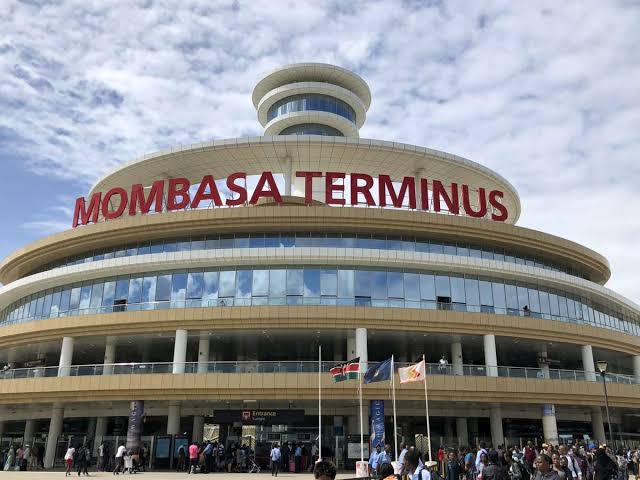
SGR Terminus
Okay, this isn't technically ON the coast, but it's the best way to GET to the coast. The Standard Gauge Railway takes about 5 hours from Nairobi to Mombasa, and the journey itself is an experience.
You'll see the Kenyan landscape change from highlands to coastal plains. The train is comfortable, affordable (KES 1,000–3,000 depending on class), and you arrive right in the heart of Mombasa. Book in advance — it fills up fast, especially on weekends and holidays.
The Bottom Line
The Kenyan coast is so much more than a beach destination. Yes, the beaches are world-class. But the culture, the food, the history, the wildlife, the activities — that's what makes this place special.
Don't just lie on the sand. Get out there, try new things, talk to locals, and experience everything the coast has to offer. You'll come home with stories, not just a tan.